

Resilience Thought Leadership
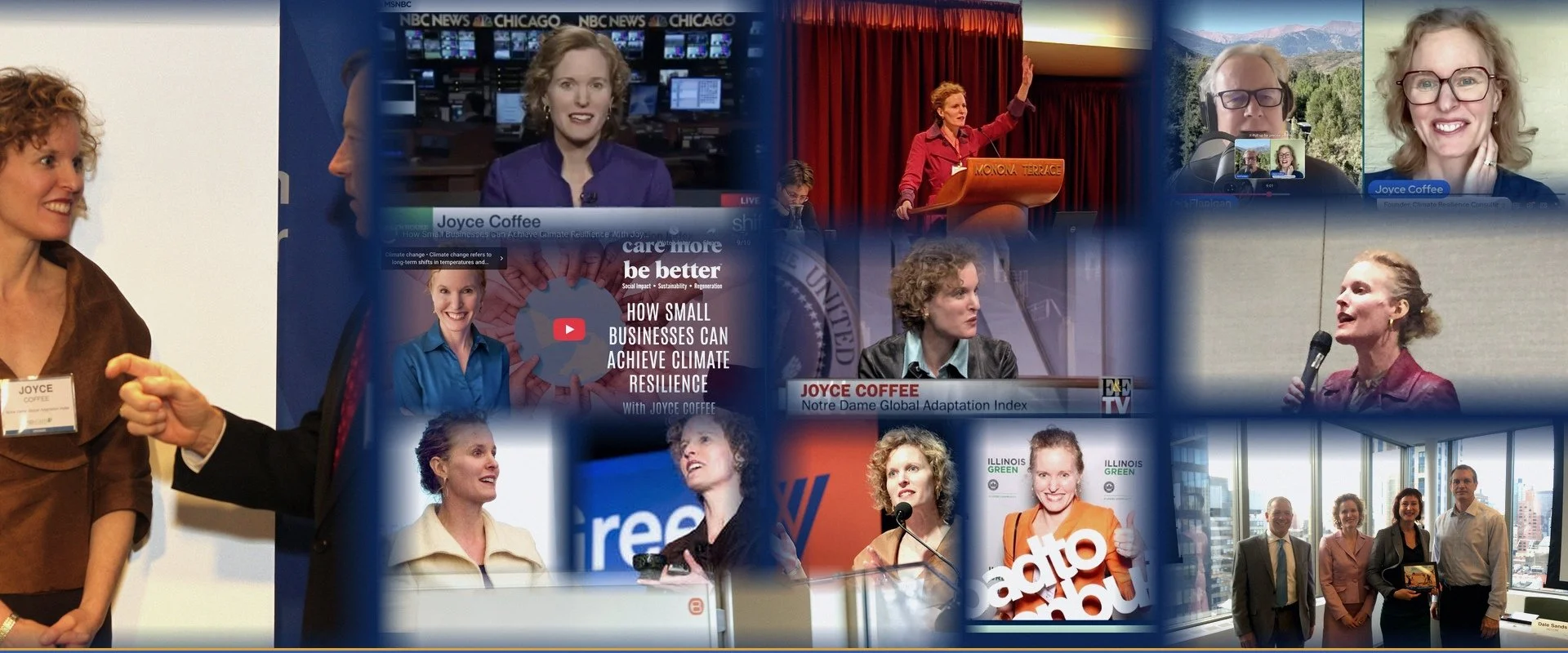
CRC produces research, guidance, and tools that turn complex climate science into real-world action. We identify emerging climate risks, equip organizations to lead on them, and translate technical findings into accessible, equity-centered solutions communities can use.
Our Approach
What We Deliver
We help shape the field of climate resilience by producing research, guidance, and tools that translate complex climate science into real-world solutions.
Our thought leadership supports:
Step 01
Identify
Emerging Climate Risks
We surface the climate risks that are just beginning to take shape, so organizations and communities can get ahead of them instead of reacting after the fact.
Step 02
Equip
Communities & Organizations to Adapt
We translate research into practical knowledge and tools that help communities and organizations build the capacity to adapt and thrive.
Step 03
Simplify
Technical Concepts for Stakeholders
We turn complex climate science into clear, accessible guidance that stakeholders can understand and act on without a technical background.
Step 04
Advance
Equity-Driven Frameworks & Insights
We build equity into every framework we produce, ensuring the insights and tools we create reach the communities that need them most.
Track Record
Thought Leadership Results We Have Driven
CRC's thought leadership helps leaders turn climate knowledge into action.

The David & Lucile Packard Foundation
CRC collaborated with the David and Lucile Packard Foundation to create the 2024 report,
The Tasks of Now: Toward a New Era in Climate Resilience Building,
which provides a strategic framework to guide philanthropic investments in scaling climate resilience efforts.

National Mortgage Provider
CRC partnered with a leading national mortgage provider to conduct research into the most effective ways to communicate climate risks to its customers. Subsequently, CRC was retained to develop educational content around climate hazards to help home buyers, owners and renters to understand key climate risks to their homes and families. We focused on actions to prepare for, respond to, and recover from climate hazards such as flooding, wildfires, and storms. The content was designed to be accessible to families living in disadvantaged communities, who may have limited resources.

The Rockefeller Foundation
Co-leading a Bellagio convening with the Institute for Sustainable Communities, CRC gathered credit rating, municipal bond, and federal funding experts to create a
Blueprint for Action to Finance Urban Resilience,
which bolstered national and international resilience by recommending financial services industry policies, procedures, and funding streams. Subsequently, we informed the Resilience Brokers Programme and the Global Transformation Roundtable as invited participants at Bellagio convenings.

Environmental Defense Fund
CRC considered finance options for Louisiana's coastal restoration and protection, which will require USD 1 billion a year for 50 or more years. The work was in collaboration with Restore the Mississippi River Delta Coalition.

National Weather Service/NOAA
CRC led the nation's
Extreme Heat Behavior Health Study,
a part of National Integrated Heat Health Information System (NIHHIS), to improve extreme heat messaging to prevent extreme heat morbidity and mortality, especially among vulnerable populations. Find out more about CRC's
heat strategic priority.

The World Bank
CRC co-created a Market Trends and Investor Landscape Analysis for a Global Resilience Investment Fund with Four Twenty Seven, performing an investor survey and investigating innovative debt and equity investment tools for natural hazards, infrastructure, and small and medium-sized enterprise resilience investments.


